

Mastering Social Media Analytics for Business Growth
October 2, 2026 | by Bobby McIntyre

Understanding the Basics of Social Media Analytics
In today’s digital age, social media analytics has become an essential tool for businesses looking to optimize their online presence. Whether you’re a small business owner or a marketing professional, understanding how to leverage these analytics can significantly impact your success. Essentially, social media analytics involves collecting data from social media platforms and analyzing it to make informed business decisions.
According to Statista, over 3.6 billion people used social media worldwide in 2020, which is projected to increase to 4.41 billion by 2025. This massive audience presents both opportunities and challenges for marketers. By effectively using analytics, you can gain insights into customer behavior, track the performance of your campaigns, and stay ahead of industry trends.
Key Metrics to Track in Social Media Analytics
Engagement Metrics
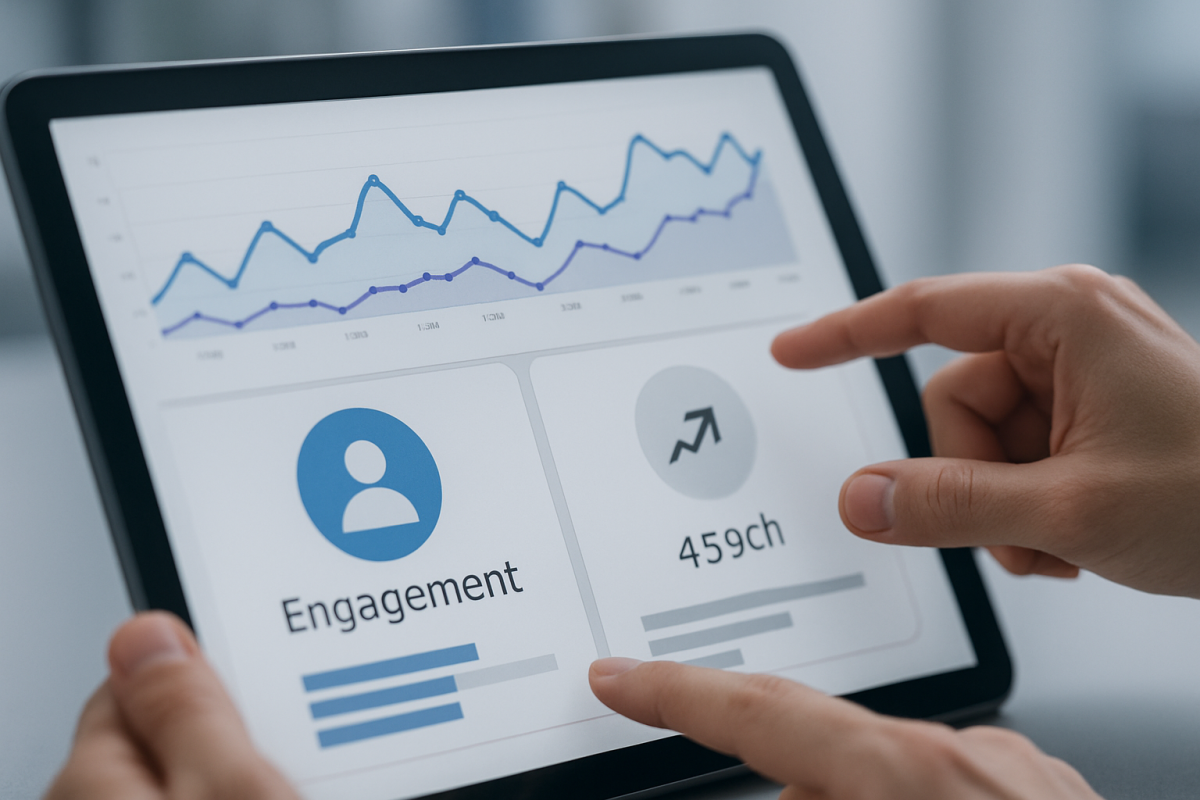
Engagement metrics are crucial in understanding how your audience interacts with your content. These include likes, comments, shares, and mentions. By analyzing these metrics, you can gauge the effectiveness of your content and identify what resonates with your audience.
Reach and Impressions
Reach refers to the number of unique users who see your content, while impressions indicate how often your content is displayed. Monitoring these metrics helps you understand your content’s visibility and potential impact on your audience.
Conversion Rates
Conversion rates measure the percentage of users who take a desired action after interacting with your content, such as signing up for a newsletter or making a purchase. This metric is vital for evaluating the effectiveness of your marketing strategies.
Tools for Effective Social Media Analytics
Several tools are available to help you analyze social media data effectively. Some of the most popular ones include:
- Google Analytics: While primarily a web analytics tool, Google Analytics can also track social media traffic and conversions.
- Hootsuite: Known for its comprehensive social media management features, Hootsuite provides detailed analytics and reporting options.
- Sprout Social: Offers robust analytics tools and customizable reports to help you understand your social media performance.
Using these tools, businesses can gain valuable insights and make informed decisions to enhance their marketing efforts.
Creating a Data-Driven Social Media Strategy
Once you have gathered data from social media analytics, the next step is to use this information to create a data-driven strategy. This involves setting clear objectives, identifying key performance indicators (KPIs), and continuously monitoring your progress.
Start by defining your goals, such as increasing brand awareness, boosting engagement, or driving sales. Then, use analytics to track your progress toward these goals and make adjustments as needed. For more on setting social media marketing goals, check out our post on unlocking success with social media marketing keywords.
Real-World Applications of Social Media Analytics
Businesses across various industries are leveraging social media analytics to improve their marketing strategies. For example, a retail company might analyze customer feedback on social media to improve product offerings, while a restaurant could use analytics to identify peak times for social media engagement and schedule posts accordingly.
According to Forbes, companies that effectively use social media analytics can achieve up to 30% higher engagement rates compared to those that don’t. This highlights the importance of integrating analytics into your marketing strategy.

Challenges in Social Media Analytics
While social media analytics offers numerous benefits, it also comes with challenges. One common issue is data overload, as the sheer volume of data can be overwhelming. It’s essential to focus on the metrics that align with your business goals and avoid getting bogged down by irrelevant data.
Another challenge is keeping up with the constantly evolving social media landscape. Platforms frequently update their algorithms, which can affect your analytics. Staying informed and adapting to these changes is crucial for maintaining an effective strategy.
Frequently Asked Questions
What are social media analytics?
Social media analytics involves collecting and analyzing data from social media platforms to help businesses make informed marketing decisions.
Why are social media analytics important?
They provide insights into customer behavior, campaign performance, and trends, enabling businesses to optimize their marketing strategies.
What tools are best for social media analytics?
Popular tools include Google Analytics, Hootsuite, and Sprout Social, each offering unique features for tracking and analyzing social media data.
How often should I review social media analytics?
Regular review is recommended, ideally weekly or monthly, to stay on top of trends and adjust strategies as needed.
Can social media analytics improve ROI?
Yes, by providing data-driven insights, businesses can refine their strategies to increase engagement and return on investment.
Conclusion: Harnessing the Power of Social Media Analytics
In conclusion, social media analytics is a powerful tool for any business looking to enhance its digital marketing efforts. By understanding key metrics, utilizing effective tools, and creating a data-driven strategy, you can significantly improve your social media presence and drive business growth.
The three key takeaways are:
- Focus on relevant metrics that align with your business objectives.
- Use analytics tools like Google Analytics, Hootsuite, and Sprout Social to gather insights.
- Continuously adjust your strategy based on data-driven insights.
I want to let you into a little secret that is about to change your life FOREVER.
For more insights on digital marketing strategies, consider reading our post on successful digital marketing businesses.
All you need to do is follow the simple instructions and you can earn $5k within the next 5 days
RELATED POSTS
View all


Influencer Marketing: Boost Your Brand’s Reach Effectively
September 26, 2026 | by Bobby McIntyre

Master Content Optimization: Boost Your Online Visibility
October 18, 2026 | by Bobby McIntyre

Master Instagram Marketing: Boost Your Brand’s Reach
October 3, 2026 | by Bobby McIntyre